Does Roku Support IPTV Apps, or Do I Have to Mirror My Phone?
If you’re looking into IPTV on Roku mirroring, the short answer is: sometimes you can watch IPTV on a Roku without mirroring, but it depends on the app, your Roku model, and the service you want to use. Roku doesn’t offer one universal IPTV app that works with every provider. Some services have an app available through the Roku Channel Store; others require a different supported device or a casting or mirroring workaround.
Before you Check over here choose a setup, check what your IPTV provider officially supports. Mirroring may work for an occasional show, but it can be less dependable than using an app on a compatible device. And if buffering is the concern, note what time it happens—during busy evening hours, during a live game, or all day. That detail can help narrow down whether the issue is Wi-Fi, the device, or the service.
Can You Install an IPTV App Directly on Roku?
Roku supports iptv 55,000 channels apps from its Channel Store, but app availability varies by country and can change. Some IPTV services or player apps may be listed, while others aren’t. A player app is not necessarily a TV service: it may only play a playlist or account supplied separately by a provider. Check that the app is available on your specific Roku and that your provider supports it before paying for anything.
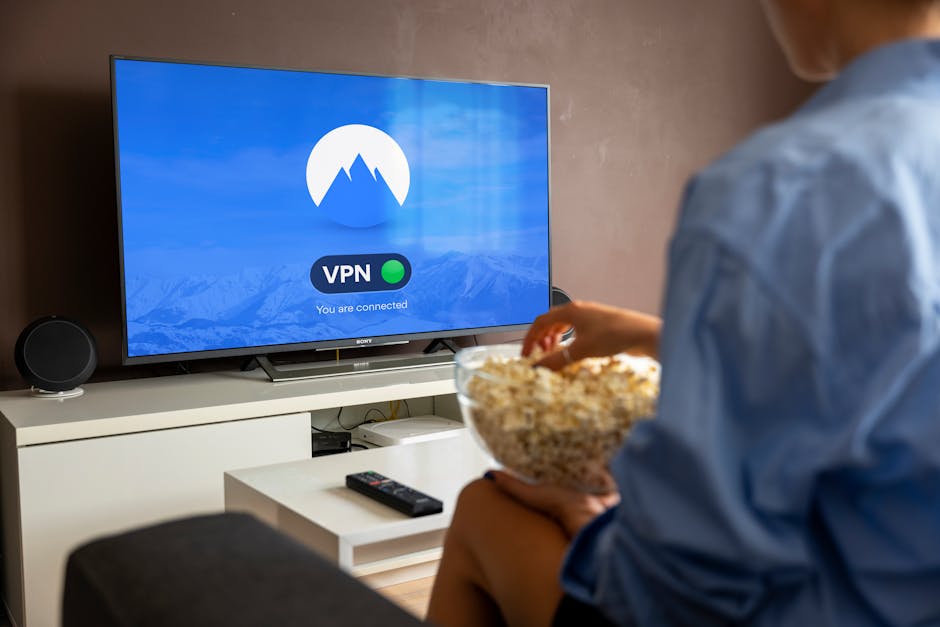
Roku also limits the ability to install apps from outside its official store. That means advice to “just sideload the IPTV app” may not apply to a typical Roku setup. Avoid entering account details into an unofficial app or following instructions that ask you to disable security features.
When Does Screen Mirroring IPTV Work?
Screen mirroring IPTV means your phone or computer plays the video and sends its screen to the TV through the Roku. It can be useful when there’s no native app, but it isn’t the same as installing the service on Roku. Your phone stays involved throughout playback, and notifications, incoming calls, battery use, and Wi-Fi quality can all affect the experience.
- Android: Some Roku models support screen mirroring from compatible Android phones. The feature name and steps vary by phone brand and software version.
- iPhone or iPad: Select Roku models support Apple AirPlay. This is different from Android-style screen mirroring, and not every IPTV app allows its video to be sent to another screen.
- Windows computer: Some Windows devices can use wireless display features with compatible Roku models. Results depend on the computer, Roku, and network.
Mirroring can fail even when both devices are on the same Wi-Fi network. The app might block external playback, the Roku may not support the relevant wireless feature, or the home network may be congested. If video plays on your phone but not on the TV, check the app’s casting support and the Roku model rather than assuming the IPTV account is at fault.
How to Try Mirroring to a Roku
Menu names differ between Roku models and phone makers, so treat these as general steps. Keep the Roku and phone on the same home network, and install any available system updates before troubleshooting.
- Check Roku compatibility. On Roku, look in Settings for screen mirroring or Apple AirPlay settings. If the relevant option is missing, your model may not support that method.
- Check your phone. Confirm that its screen-cast or AirPlay feature is available. For iPhone, use an app’s AirPlay button when offered, or check whether your Roku supports AirPlay.
- Allow the connection. On Roku, review any prompt asking to allow or remember the phone. Only approve devices you recognize.
- Open the IPTV app. Start playback on the phone, then choose the Roku or TV connection option if the app provides one. A built-in cast button may be more reliable than mirroring the entire screen.
- Test playback. Try a short clip first. If it stutters, compare performance with the phone close to the router and pause other high-bandwidth activity.
Should You Mirror, or Use Another Device?
If your Roku doesn’t support the IPTV app you need, consider a device that the provider explicitly lists as compatible. Options may include an Android TV device, a compatible Fire TV device, a Samsung smart TV app (if one is offered for that model and region), or an Apple TV app. Compatibility is service-specific: seeing “Android” or “Samsung” on a provider’s page does not guarantee that every model is supported.
For the main TV, I generally prefer wired Ethernet when the device has an Ethernet port or a suitable adapter. A wired connection removes one common source of Wi-Fi interference. If Ethernet isn’t practical, use a strong 5 GHz Wi-Fi signal where supported and avoid hiding the streaming device behind a metal cabinet or television.
Setup What to check Best suited for Roku app Is the app in your Roku Channel Store, and does the provider support it? People who want playback directly on Roku Phone mirroring or AirPlay Does your Roku support the feature, and does the phone app allow it? Occasional viewing or testing compatibility Android TV, Fire TV, Apple TV, or Samsung TV app Is your exact model supported by the provider? Households needing a dedicated app on the televisionChoosing an IPTV Provider in Canada
For roku iptv canada searches, focus on confirmed compatibility and clear terms—not just a long channel list. Ask whether the service works through a Roku app, whether it supports AirPlay or screen mirroring, and which other devices can run its app. Get the answer for your exact model before subscribing.
If you’re considering IPTV Jacom, confirm its current device list and account terms directly with the company. Ask whether its price is shown in CAD, whether payment is Interac e-Transfer only, and what happens if you need help setting up or cancelling. Don’t assume a price is Canadian dollars simply because the provider serves Canadian customers; request the total in writing before sending payment.
Trial and refund terms deserve the same careful check. If an offer includes a free 24-hour trial and a 7-day refund window, confirm when each period starts, what conditions apply, and how to request a refund. Save the provider’s written terms and payment confirmation. A trial should not require you to accept unclear auto-renewal terms or provide more personal information than is necessary.
Be Careful With Big Channel-Count Promises
You may see examples such as 55,000+ live channels in IPTV advertising. Treat that as a provider’s advertised catalogue figure, not a promise that every channel is available, working, legal to view in your location, or delivered in high definition. Ask which Canadian channels are included, whether the list is current, and whether the service has the rights to distribute the content. A large number alone says little about reliability or picture quality.
There is no universal internet-speed figure that guarantees a good result. As a practical starting point, a single HD stream often needs several megabits per second of stable bandwidth, while 4K commonly calls for roughly 15–25 Mbps or more per stream, depending on the video and service. That is per active stream, not the total speed shared by the household. Wi-Fi interference, other users, and the provider’s own delivery can still cause buffering. Don’t treat a “4K” label as proof that every channel is actually delivered in 4K.
Multi-Device Streaming: Ask What “1 to 5” Means
Some services offer plans for 1 to 5 simultaneous streams, but the number can refer to connections, devices, or screens in use at the same time. Ask whether your plan supports the number of concurrent streams your household needs, whether each device needs a separate login, and whether there are restrictions on using the account at different locations.

Adding more streams also increases the bandwidth your home needs. If three people are watching HD at once, a connection that works fine for one TV may struggle—especially if gaming, video calls, or downloads are happening too. Test your connection during the hours you actually watch. If buffering happens mainly at dinner time or during a major sports event, write down the time and devices in use; that’s more useful than a speed test taken once at midday.
A Quick Game-Night Checklist
- Confirm the stream works on the television and device you plan to use.
- Run updates and test the app before friends arrive.
- Use Ethernet for the main TV where practical; otherwise check Wi-Fi signal strength.
- Close unnecessary downloads and pause other heavy streaming.
- Keep the provider’s support details and your login information handy.
- Test the channel you plan to watch, not just the app’s home screen.
Bottom Line
You don’t automatically have to mirror your phone to watch IPTV on a Roku. First check whether your provider has a compatible Roku app in the Channel Store. If it doesn’t, screen mirroring or AirPlay may work on supported devices, but app restrictions and network conditions can make it less reliable. For regular viewing, a dedicated compatible streaming device—or a supported TV app—may be simpler.
Before subscribing, verify the exact device compatibility, CAD total, payment method, simultaneous-stream limit, trial and refund conditions, and channel claims directly with the provider. That small check can save you from buying a service that your Roku can’t use the way you expected.